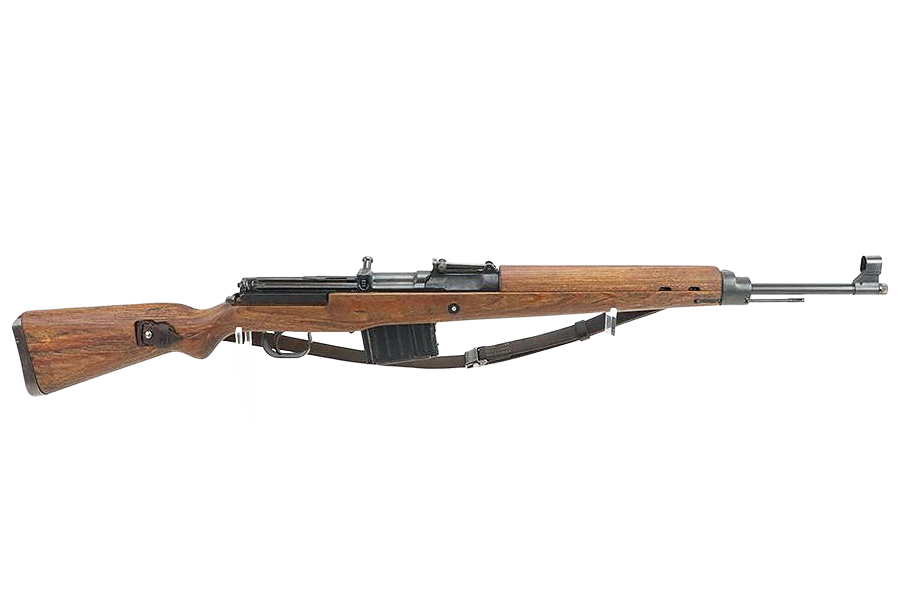





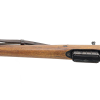
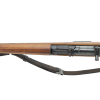
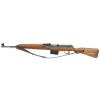
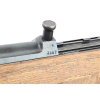
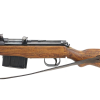
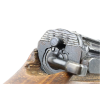
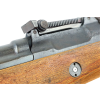
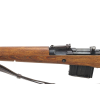
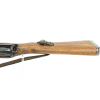
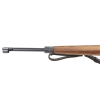
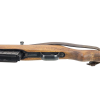
German 1943 "Rare" Walther AC 43 Code Gewehr G43 "all Matching" Rifle (Original)
SKU: 203
Type: Original
Availability: In-Stock
Manufacturer: Walther
Manufacturer's Code: ac
Date Manufactured: Early 1943
Model: G43 AC 43 CODE
Receiver Type: 2
Bolt Type: 2
Serial Number: 2897
Caliber: 8mm Mauser / 7.92×57mm
Action Type: Semi-Automatic
Weight: 4.1 kg (9.7 lb)
Length: 1130 mm
Barrel Length: 550 mm/21.7"
Bore Condition: 9/10
Condition: Mint/99%
Feed System: 10-round detachable box magazine
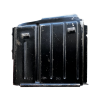
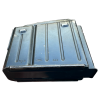
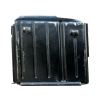
Magazine Manufacturer: "aye" Olympia Buromaschinenwerke AG,Erfurt (1943)
Muzzle Velocity: 775 m/s (2,328 ft/s)
Price: $8,500.00
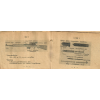
Manual: Original G43 Butstock Manual
Seller Type: Classification: C&R / FFL
Seller ID: JMW
Seller Code: LC 6500
Return Policy: 3-day inspection and return policy on used guns and accessories.
Description
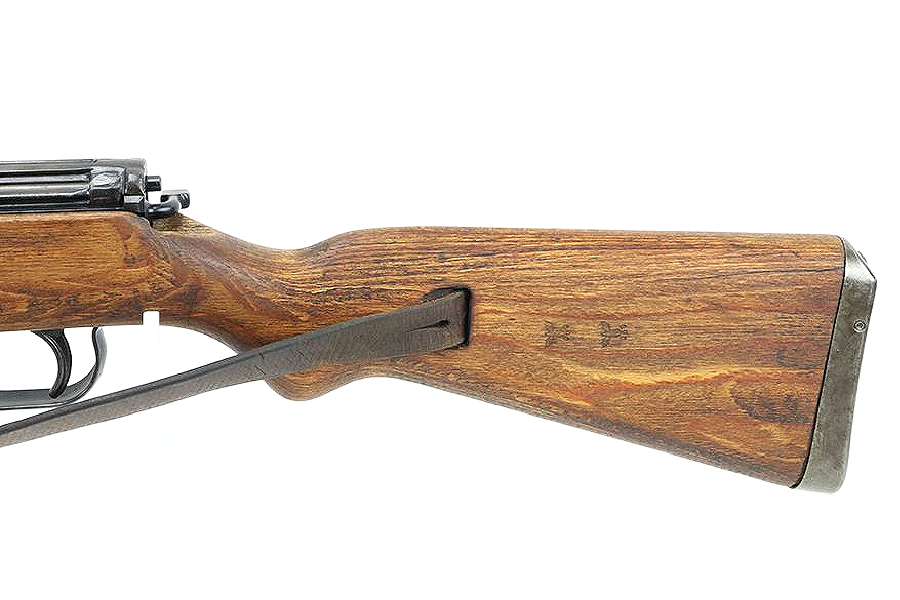
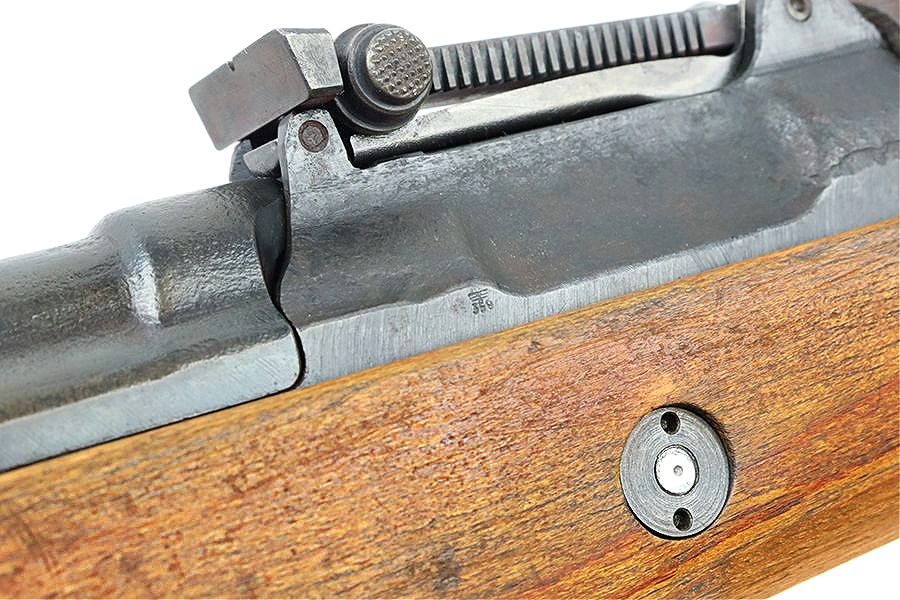
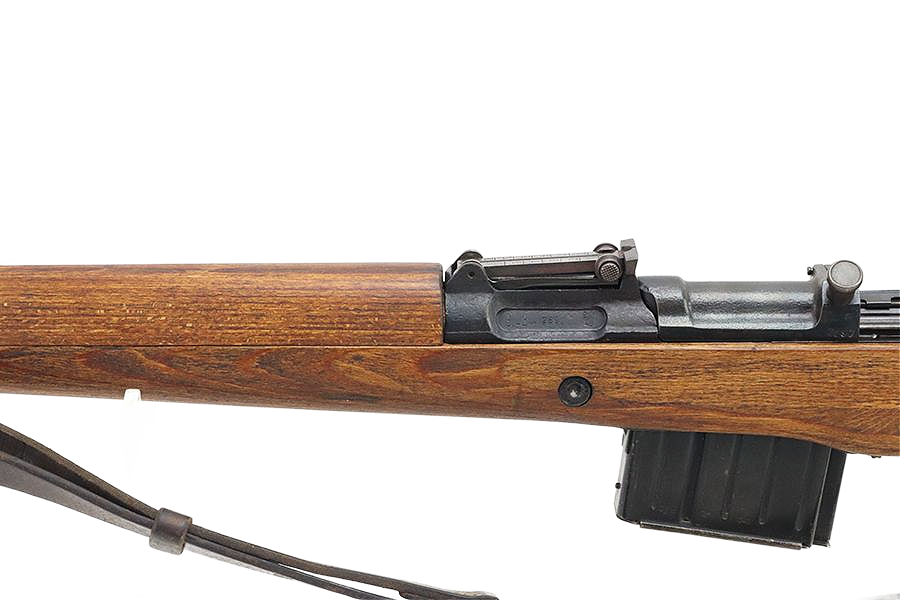
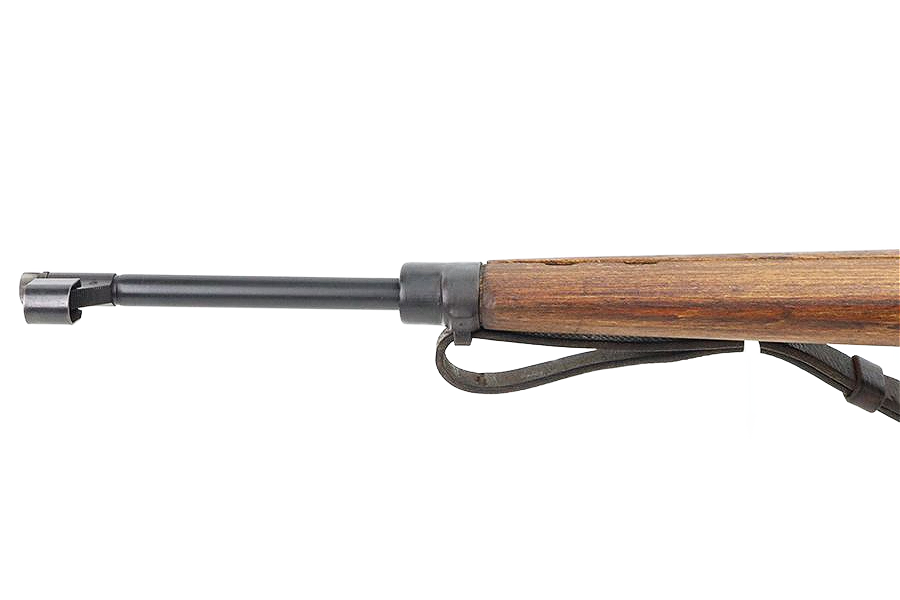
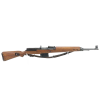
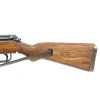
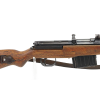
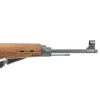
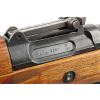
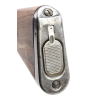
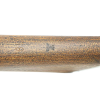
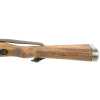
This is an "exceptionally rare", 1943 Walther G.43 rifle marked with the "ac 43" code, with fewer than 40 documented examples known. This rifle was manufactured in early 1943 by Walther with a first production group serial number 2897. The rifle is "all matching," including the stock, and features the appropriate Waffen proofs throughout. It has retained nearly all its original bluing. The rifle maintains an impressive appearance, and the wood stock is in above-average condition with clear markings. The bore is in excellent shape, showcasing strong rifling. It includes the correct “aya” G43 10-round detachable box magazine and leather sling. Also includes Original butstock Manual.
History
The Gewehr 43 (G43) rifle, also known as the Karabiner 43 (K43), was a significant development in German infantry All_weapons during World War II. Produced by the Walther company under the code "AC 43," this semi-automatic rifle was designed to improve the firepower and effectiveness of German soldiers on the battlefield.
Background
During the early years of World War II, the German military primarily used bolt-action rifles like the Karabiner 98k. However, the need for a more efficient and faster-firing weapon became evident as the war progressed. The semi-automatic rifle designs were being explored to give soldiers an edge in combat by allowing for quicker follow-up shots and increased firepower.
Development
The development of the G43 was influenced by earlier semi-automatic designs, particularly the Gewehr 41 (G41). The G41 had several flaws, including reliability issues and a complex gas system. In response to these shortcomings, the German engineers sought to create a more reliable and effective semi-automatic rifle.
In 1943, Walther produced the first versions of the G43. The rifle was designated with the code "AC 43," indicating the manufacturer (Walther) and the year of production (1943). The G43 utilized a simpler gas-operated system with a short-stroke piston, which improved reliability and ease of maintenance compared to the G41.
Design Features
The G43 featured several notable design elements:
- Gas-Operated Mechanism: The short-stroke piston system was more reliable than the G41's system, reducing the likelihood of jamming and malfunctioning.
- Detachable Magazine: The rifle was equipped with a 10-round detachable box magazine, allowing for quicker reloading compared to the fixed magazines of earlier rifles.
- Scope Mounting: Many G43 rifles were fitted with scope mounts, making them suitable for use as designated marksman rifles. This added versatility to the weapon's role on the battlefield.
- Construction: The rifle was constructed using stamped steel parts, which simplified manufacturing and reduced production costs.
Production and Use
The G43 entered service in 1943 and saw extensive use on both the Eastern and Western fronts. It was praised for its improved rate of fire and reliability compared to bolt-action rifles. However, it still faced competition from other semi-automatic and automatic All_weapons of the era.
Despite its advantages, the G43 was not produced in the numbers needed to significantly impact the war's outcome. Manufacturing challenges, material shortages, and the shifting tides of the war all affected production rates. Approximately 400,000 G43 rifles were produced by the end of the war.
Legacy
The G43 left a lasting impact on firearm design and influenced post-war developments in semi-automatic rifles. Its design principles can be seen in later All_weapons, and it remains a notable example of mid-20th-century military small arms technology.
Collectors and historians value the G43 for its historical significance and technical innovations. The "AC 43" coded rifles, in particular, are sought after for their association with the pivotal year of 1943 and their role in the broader context of World War II.


