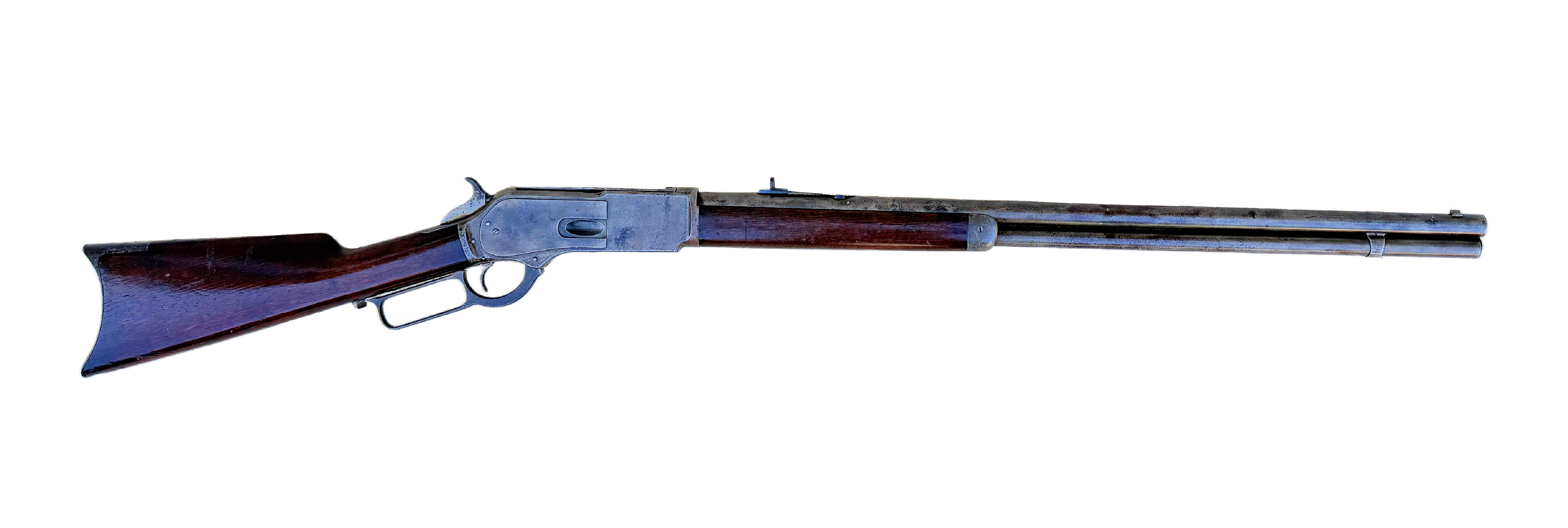
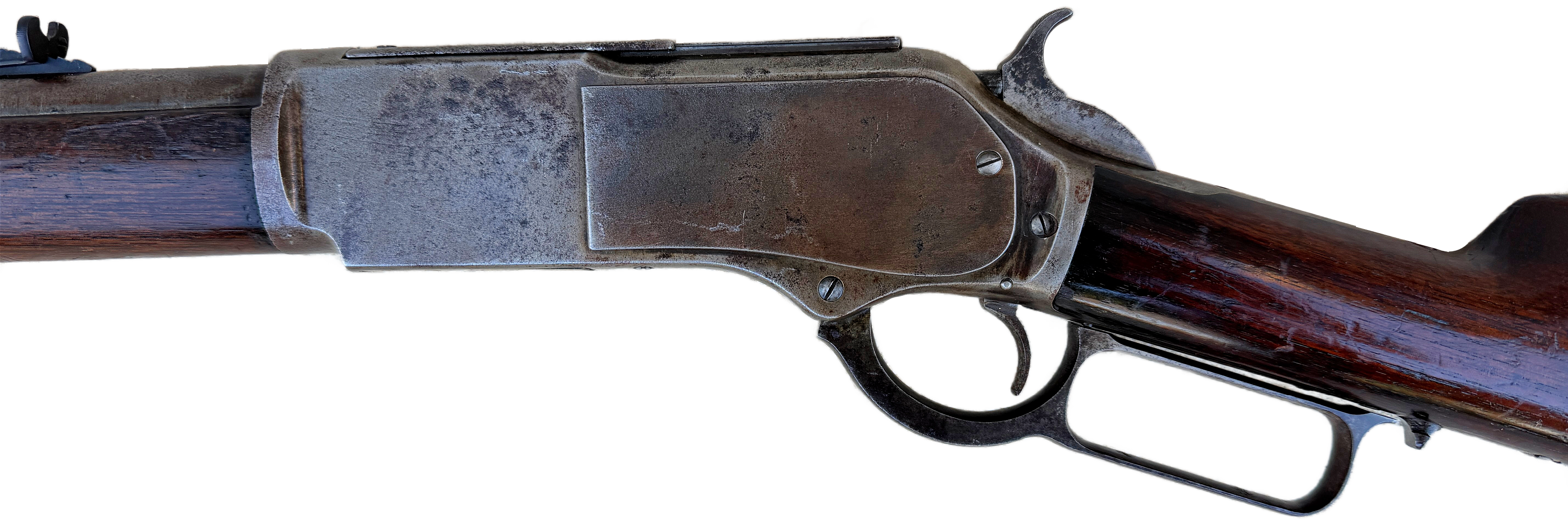

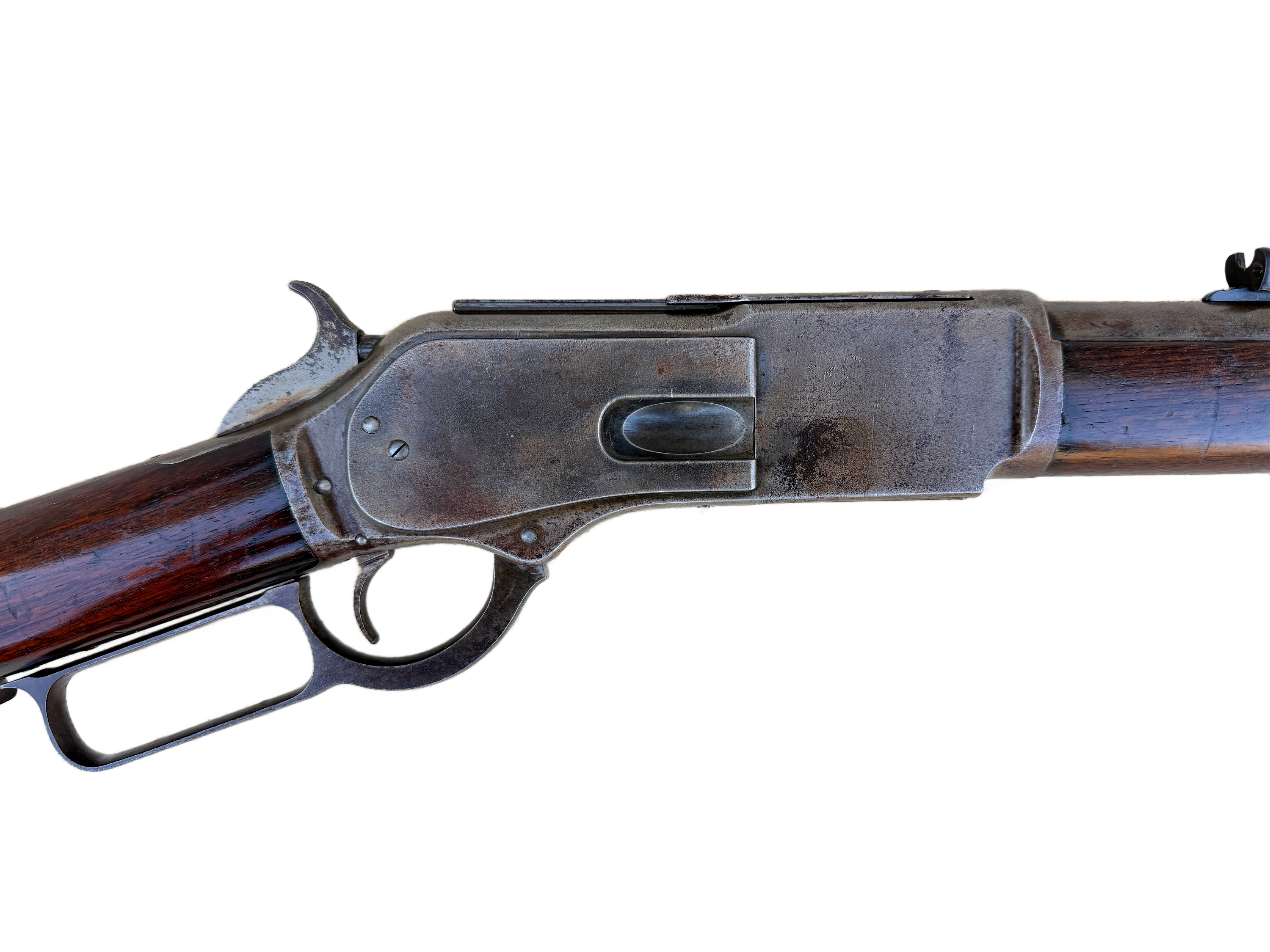
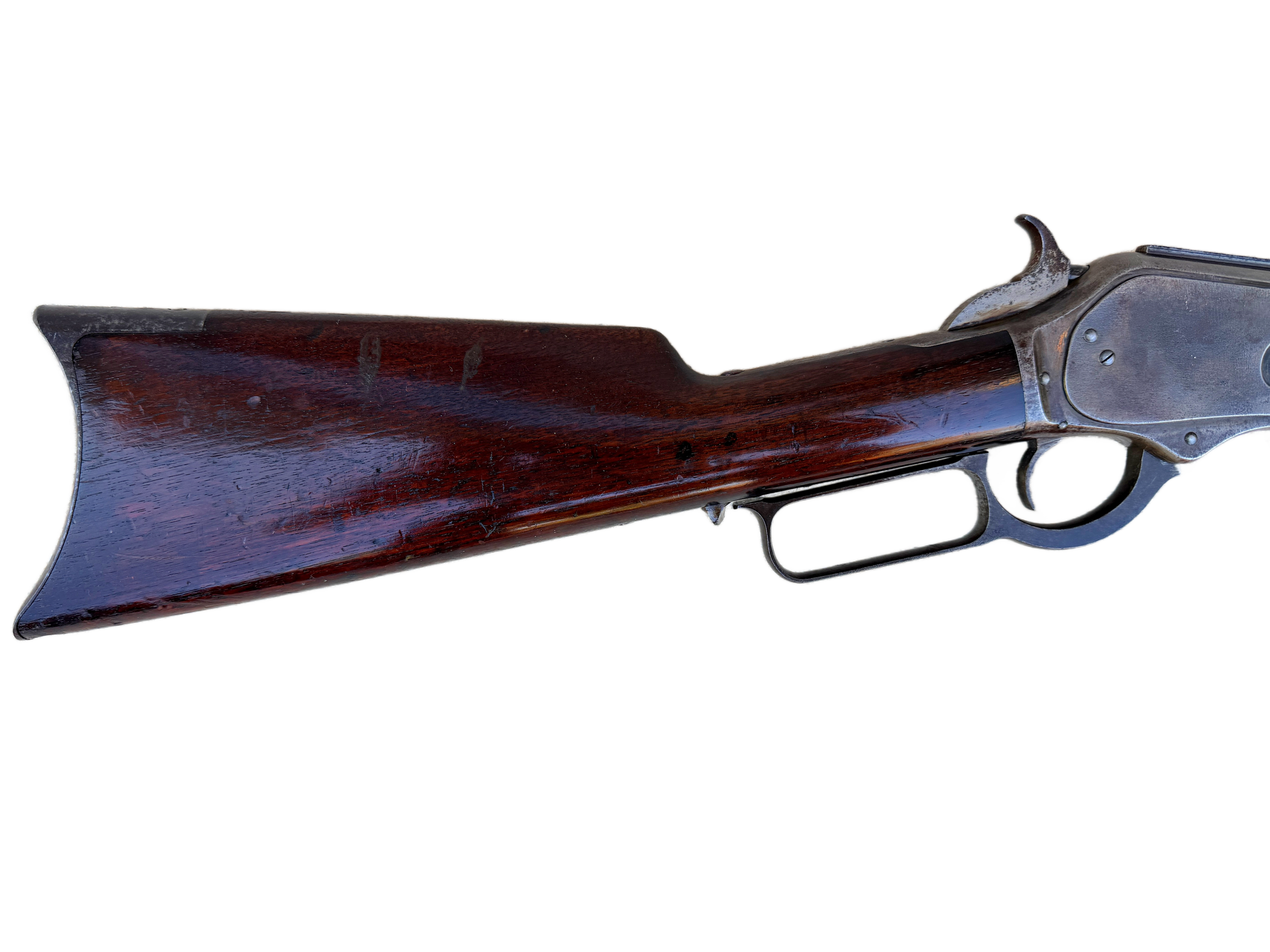


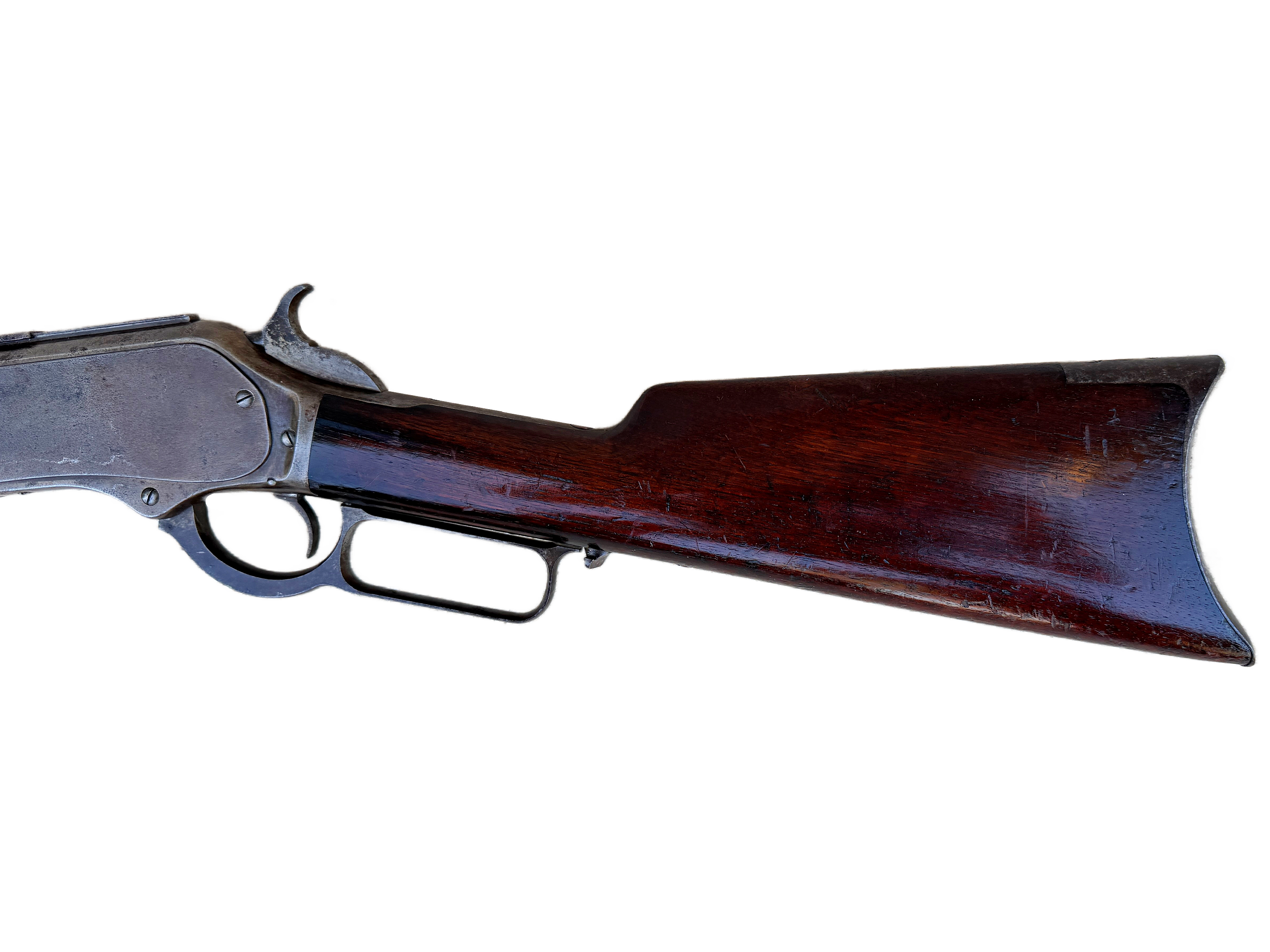

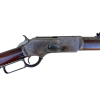
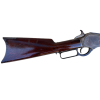
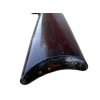
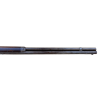
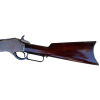
Winchester "Rare" Model 1876 Early Production 1879 Caliber.45-60 Lever-Action Rifle (Original)
SKU: 524
Original/Reproduction: Original
Availability: In-stock
Manufacturer: Winchester Repeating Company
Date Manufactured: 1879
Model: 1876
Serial Number: 8337
Caliber: .45-60 WCF
Total Length: 49"
Barrel Length: 28"
Bore Condition: 9.5/10
Action: Lever.-Action
Effective firing range: 100-150 Yards
Elevation Setting
Rear Sight:
Front Sight:
Stock: Original walnut stock set
Condition: 94%/Excellent
Mechanically: Very Good
Price: $5,995.00
Seller Type: Classification: C&R / FFL
Seller ID: JMW
Seller Code: HB-2600
Return Policy: 3-day inspection and return policy on used guns and accessories.
Description
This is a beautiful "Rare" early-production Winchester Model 1876, manufactured in 1879, by Winchester Repeating Company in New Haven Connecticut, chambered in the desirable .45-60 Winchester cartridge. Introduced for customers who wanted greater power than the Model 1873 could provide, the ’76 quickly became known as the rifle of hunters, frontiersmen, explorers, and lawmen seeking a hard-hitting, big-frame lever-action capable of handling serious game and rugged frontier conditions.
This example represents the classic early configuration of the Model 1876, built during the initial years of production when Winchester’s craftsmanship was at its peak. The rifle features the iconic full-length octagon barrel, solid walnut stock set, and the robust large-frame action unique to the 1876 series. Metal surfaces retain a pleasing, honest patina consistent with age, while markings remain sharp and fully legible, including the correct Winchester barrel address and caliber designation.
Designed around the .45-60 Win. cartridge, this rifle offered a fast-handling, powerful option well-suited to North American big game. The Model 1876 was famously favored by notable frontier figures—including Theodore Roosevelt, who carried a ’76 during his hunting expeditions—solidifying its reputation as one of the quintessential arms of the American West.
This 1879-dated example is a fine representation of Winchester’s early frontier-era production, offering exceptional historical value and timeless appeal to collectors of antique American firearms.
History
The Winchester Model 1876, often called the “Centennial Model” after its debut at the 1876 Philadelphia Centennial Exposition—represented one of the most significant evolutions in American repeating rifle technology. This example, an early-production rifle manufactured in 1879 by the Winchester Repeating Arms Company of New Haven, Connecticut, is chambered in the powerful .45-60 Winchester cartridge and embodies the rugged frontier craftsmanship of the late 19th century.
Introduced as a stronger, enlarged version of the Model 1873, the Model 1876 was engineered specifically to handle heavier, longer cartridges suitable for big game and frontier defense. While it retained the familiar toggle-link action of the 1873, its reinforced receiver and improved construction allowed the rifle to fire the new generation of Winchester centerfire rounds, including .45-60, .45-75, and .50-95 Express, making it popular among hunters, ranchers, and military scouts.
This 1879-dated .45-60 example represents the second year of major production and captures the transitional period when the Model 1876 was gaining fame across the American West. Rifles in this configuration were frequently encountered in the hands of commercial buffalo hunters, Canadian Northwest Mounted Police patrols, and settlers requiring a dependable, high-capacity repeating rifle. The .45-60 cartridge, essentially a necked-down variant of the .45-75, was designed to deliver reliable power without excessive recoil, contributing further to the model’s popularity.
Early Model 1876 rifles exhibit the classic frontier characteristics: blued steel barrel and magazine tube, case-colored receiver components, robust walnut stocks, and Winchester’s precision-marked barrel address denoting manufacture at New Haven. Most rifles of this era show evidence of extensive field use, as they served as essential tools rather than ceremonial arms.
By the time this rifle left the Winchester factory in 1879, the Model 1876 had already begun to earn its legendary status. It would later be associated with figures such as Theodore Roosevelt, who carried an 1876 on his early cattle-ranching expeditions in the Dakota Territory. Today, surviving early-production examples, especially those retaining original finish, mechanical integrity, and matching components, stand as important artifacts of America’s frontier expansion and Winchester’s dominance in 19th-century firearms innovation.
This Winchester Model 1876 .45-60 rifle is not only an excellent representation of Winchester’s early repeating rifle engineering but also a tangible link to the rugged era of buffalo ranges, frontier law, and the settlement of the American West.


