

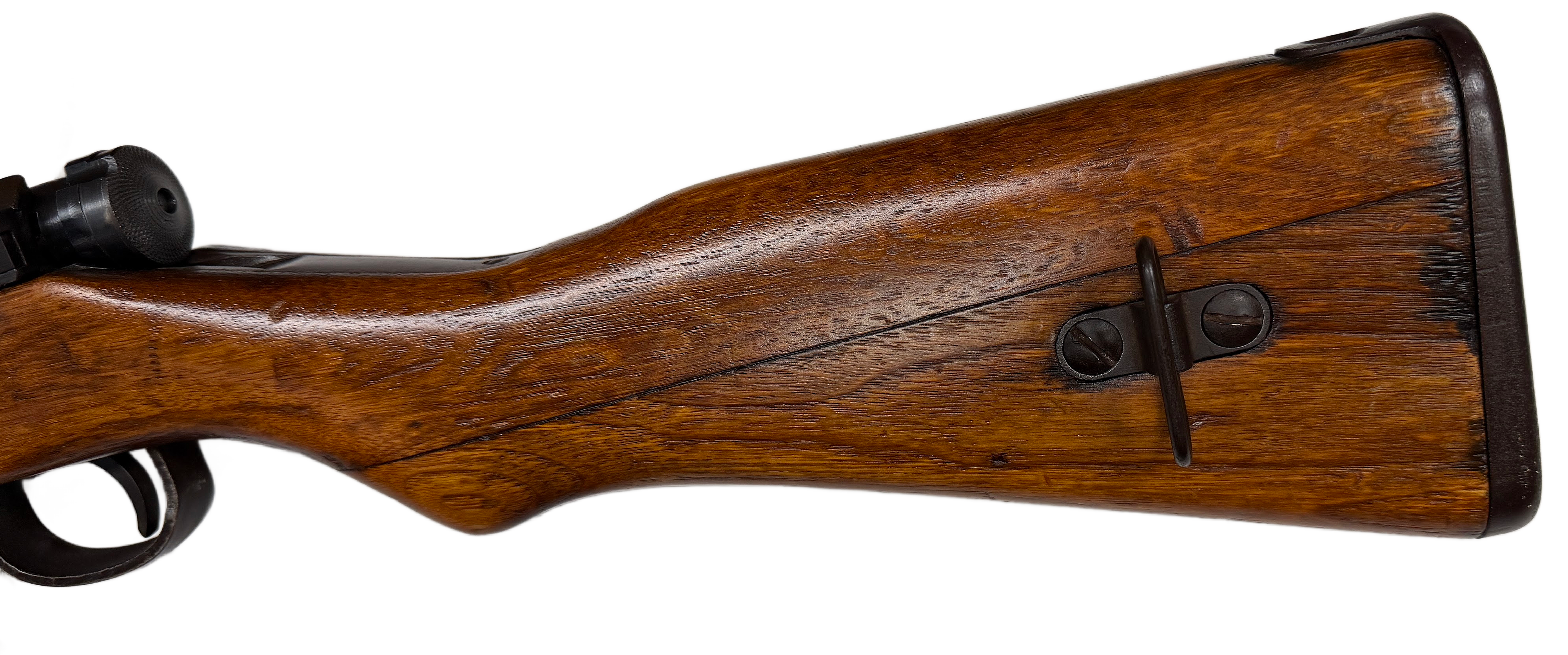


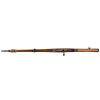
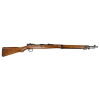
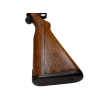
WW2 Original Japanese Arisaka Type 99 Rifle Cal 7.7, Mum Intact with Complete Anti-aircraft Sights and Monopod Assembly
SKU: 964
Original/Reproduction: Original
Availability: In-Stock
Model: Arisaka Type 99
Mum: intact
Folding Anti-Aircraft Sights: Intact
Monopod Assembly: Intact
Serial Number: 39
Manufacture: Nagoya Arsenal- Izawa Jyuko Factory
Date Manufactured: 1940
Action: Bolt Action
Caliber: 7.7x58mm
Overall length: 44 inches
Weight (unloaded): 8.4 pounds
Magazine capacity: 5-round internal box
Effective Range: 700 yards
Muzzle Velocity: 2,450 fps
Condition: 94% Excellent
Bore: 9.5/10 Very Bright!
Price: $1600.00
Return Policy: 3-day inspection and return policy on used guns and accessories.
Seller Type: Classification: C&R / FFL
Seller ID: JMW
Seller Code: PS400
Description
This is an Original World War II Imperial Japanese Arisaka Type 99 Bolt-Action Rifle, chambered in 7.7×58mm Japanese (7.7mm Arisaka) and manufactured under the Nagoya Arsenal system by the Izawa Jyuko Factory. This example is particularly desirable for its very low Serial Number 39, intact Imperial chrysanthemum, anti-aircraft rear sight wings, and original-style monopod configuration.
Intact Imperial Chrysanthemum “Mum”
One of the most important features of this rifle is the intact Imperial Japanese chrysanthemum, commonly referred to by collectors as the “Mum.” The 16-petal chrysanthemum stamped on the receiver represented ownership by the Japanese Emperor and Imperial military.
Following Japan's surrender in 1945, the chrysanthemum was frequently ground, defaced, or otherwise removed from surrendered rifles. Consequently, surviving Type 99 rifles retaining a clear, intact Mum are particularly sought after by collectors.
Nagoya Arsenal – Izawa Jyuko Factory
The receiver markings identify this Type 99 with production associated with Izawa Jyuko under the Nagoya Arsenal system. The rifle bears the exceptionally low Serial Number 39, an interesting feature that adds significantly to its collector appeal and warrants careful consideration alongside its series and arsenal markings when identifying its precise production variation.
Anti-Aircraft Rear Sight & Monopod
This Type 99 retains two of the distinctive features associated with earlier wartime Type 99 production: the folding anti-aircraft lead wings incorporated into the rear sight and a folding monopod.
The anti-aircraft sight wings were intended to provide a crude method of estimating lead against low-flying aircraft. Although of limited practical effectiveness, they have become one of the most recognizable features of early Type 99 rifles. The folding monopod was designed to provide additional support when firing from the prone position.
As Japanese wartime production pressures increased, features such as the monopod and anti-aircraft sight wings were progressively eliminated in an effort to simplify manufacturing. Their presence makes surviving rifles retaining these features particularly interesting examples of Type 99 development.
Historical Background
Adopted in 1939, the Arisaka Type 99 became one of the principal infantry rifles of the Imperial Japanese military during World War II. Chambered for the more powerful 7.7×58mm Japanese cartridge, it supplemented and eventually was intended to replace the earlier 6.5mm Type 38.
Type 99 rifles saw extensive service throughout the Pacific and Asian theaters and were encountered by Allied forces from the opening campaigns of the Pacific War through Japan's surrender in August 1945.
Collector Highlights
- Original World War II Japanese Type 99 Arisaka Rifle
- Chambered in 7.7×58mm Japanese
- Nagoya Arsenal / Izawa Jyuko Factory production
- Exceptionally low Serial Number 39
- Imperial Chrysanthemum “Mum” intact
- Folding anti-aircraft rear sight wings
- Equipped with folding monopod
- Bolt-action military configuration
- Original Japanese military receiver markings
- Desirable early-production-style features
- Excellent addition to an Imperial Japanese or Pacific War collection
- Condition: Excellent
This is an impressive example of the Japanese Type 99, combining an intact Imperial Mum, extremely low serial number, anti-aircraft sights, monopod, and excellent overall condition. These surviving wartime features give the rifle considerable historical and collector interest and make it an excellent representative example of Imperial Japanese small-arms production during World War II.
