


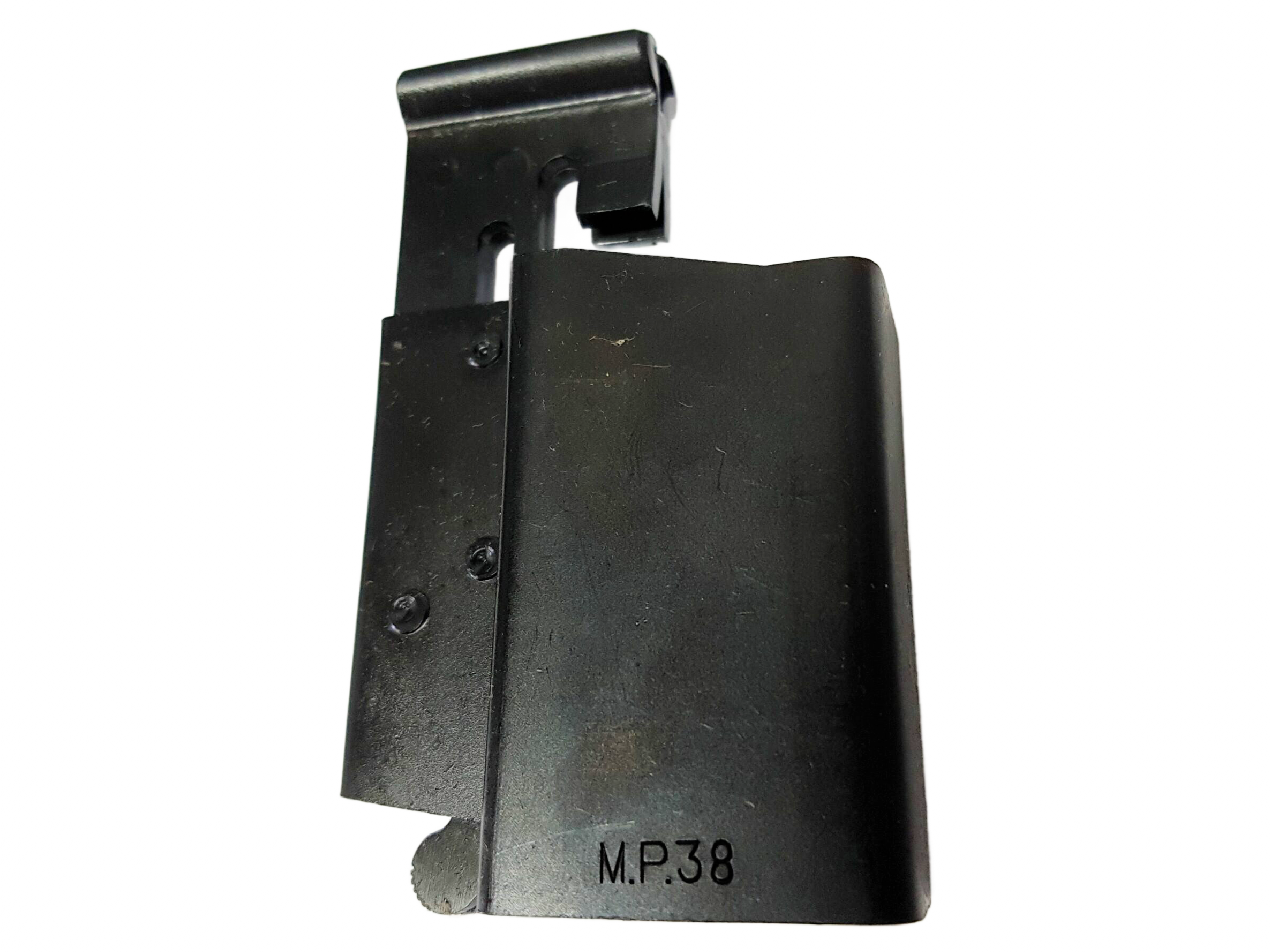

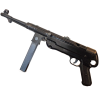
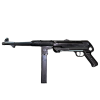
WW2 German MP38 Late Style Semi-Auto Machine Pistol By DK Production Group with 32 Round Magazine (Authentic Reproduction)
SKU: 451
Type: Authentic Reproduction
Availability: In-Stock
Manufacturer: DK Production Group USA
Manufacturer's Code: MP38 Late Style
Model: MP38 Late Style
Action Type: Semi-Auto
Serial Number: 245A
Markings: Waffenamt Stamps,
Caliber: 9x19 Luger/9mm
Weight: 8.87 lbs (4.03kg)
Overall Length: 25"
Total Length: 24,6 in.
Barrel Length: 9,8 in.
Material: Milled Steel Tube, Aluminum Grip Frame, Bakelite Grip Plates, and Handguard.
Bore Condition: Mint/New
Over-All Condition: Mint/New
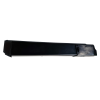
Feed System: 32-round Detachable Box Magazine
Sights: 100-meter front sight post with adjustable rear dovetail sight.
Charning Handle: Late rounded style charging handle.
Muzzle Nut: Late style muzzle nut.
Safety: Cross bar manual safety.
Maximum Range: 300 m
Mechanically: new
Price: $4,300.00
Seller Type: Classification: C&R / FFL
Seller ID: JMW
Seller Code: DK-3700
Return Policy: 3-day inspection and return policy on used guns and accessories.
Description
This is an Authentic WW2 German DK Production MP38 Late Style Pistol 9mm W/ Rounded Bolt Handle Semi-Auto Machine Pistol Reproduction.
History
WW2 German MP38 Submachine Gun – Historical Overview
The MP38 Maschinenpistole represents a major breakthrough in the development of German World War II infantry firearms. The MP38 emerged as a specialized German weapon which became available shortly before the start of World War II to serve airborne and mechanized troops with its portable automatic design for urban combat and mobile warfare.
Design & Development
The MP38 originated from Heinrich Vollmer at Erma Werke before receiving official adoption in 1938. The MP38 developed from Vollmer's earlier prototypes starting with the EMP36 to create design elements that shaped submachine gun development throughout multiple decades. The MP38 weapon used machined steel construction with a telescoping metal stock and integrated folding foregrip together with a side-mounted sling loop to support paratrooper deployment. The weapon operated through straight blowback with an open bolt system which provided both mechanical reliability and operational simplicity. The MP38 fired 9x19mm Parabellum ammunition through a 32-round double-stack magazine that shared compatibility with the MP40.
Combat Use
Fallschirmjäger (paratroopers) together with Panzer crews and platoon leaders and SS troops adopted the MP38 as their standard weapon. Standard bolt-action rifles could not match the MP38's superior firepower in urban or trench combat situations. The MP38 excelled in both tight spaces and mechanized operations because of its compact dimensions. German soldiers valued the MP38's handling and quick firing speed reaching 500-550 rounds per minute but they frequently faced problems with feeding when they held the magazine directly which led to jamming issues. Troops received field instructions to hold the weapon receiver instead of the magazine well because this caused problems during handling.
Legacy & Transition
The MP38 received praise from users yet its production remained restricted because of manufacturing complexity and expense. The MP40 replaced the MP38 because it included stamped metal components that streamlined the production process during wartime. Many MP38s continued to serve on battlefields throughout World War II while maintaining their appearance as early MP40 models through minor production changes including receiver grooves and milled aluminum versus stamped steel lower parts.
Collectability
The MP38 holds a special status among military collectors because of its scarcity combined with its first-war production and unique design features. MP38s bear early Erma factory markings including "S/42" or "660" codes together with proof stamps and serial number verification for authentic wartime production. The MP38 established a crucial position in the development of modern submachine guns. During World War II the MP38 began a new period in infantry weaponry by proving that mobility alongside volume of fire and compactness became essential factors to match range and accuracy on the battlefield.


